Sold Out!
?>

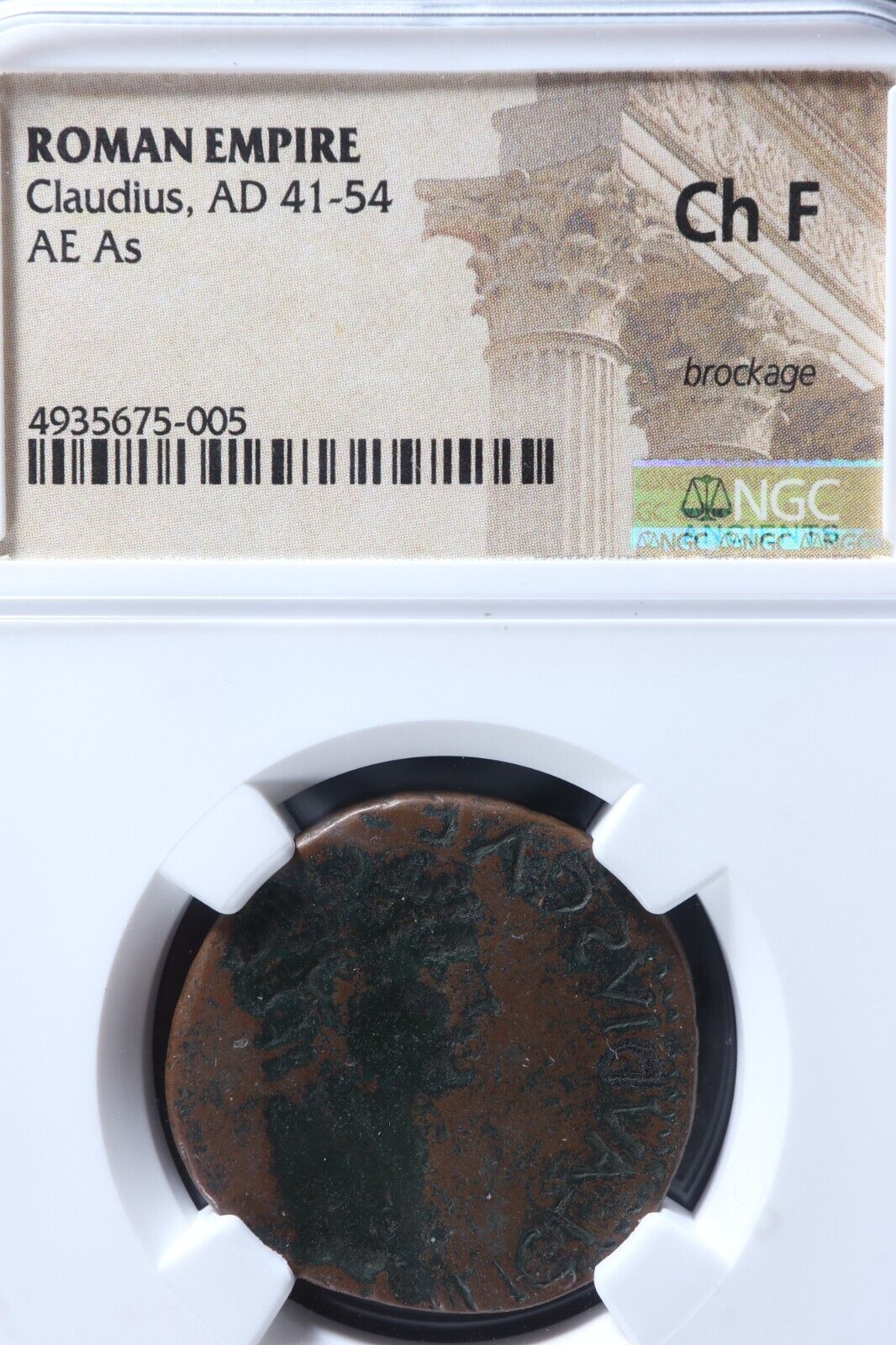
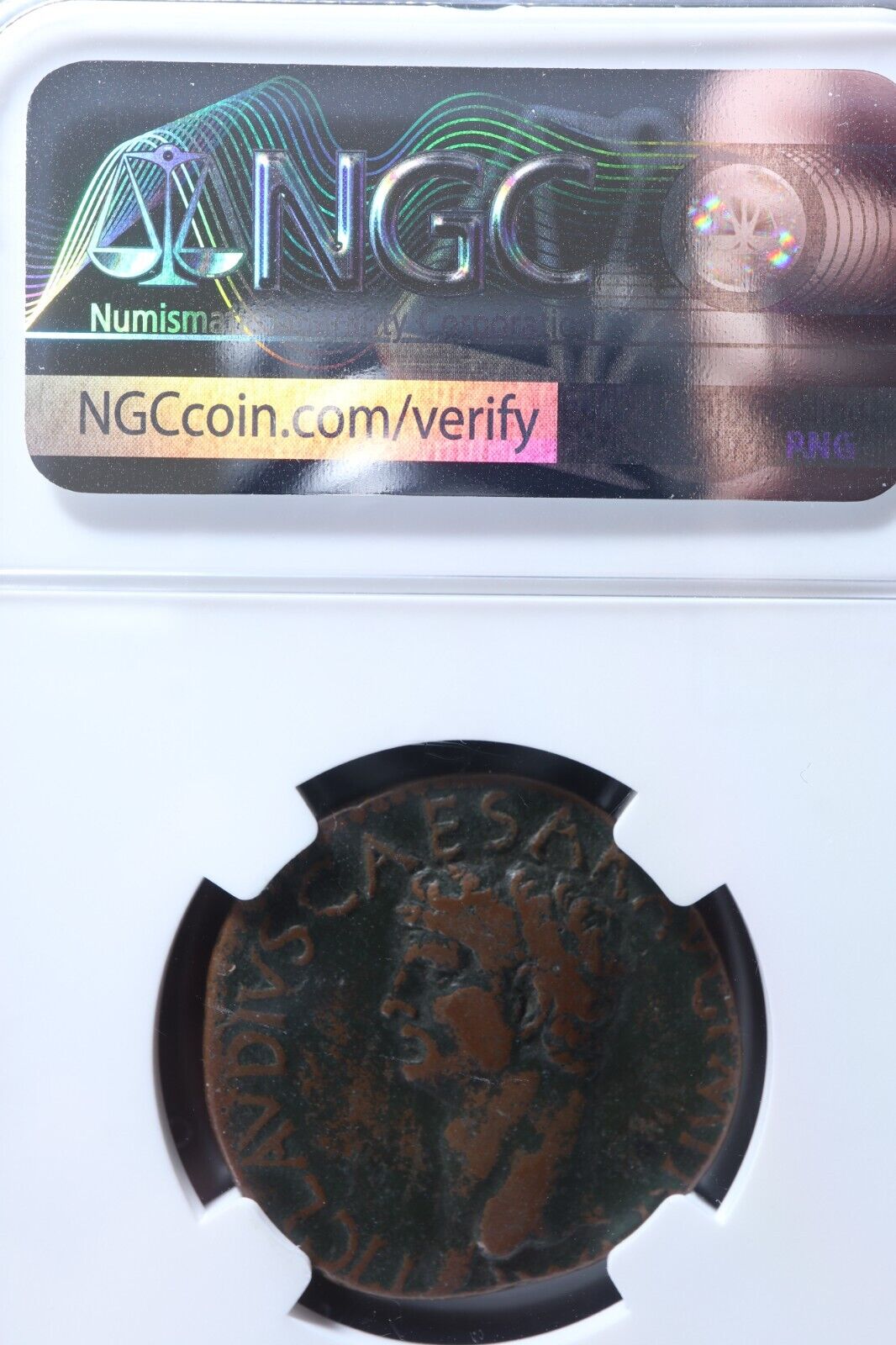
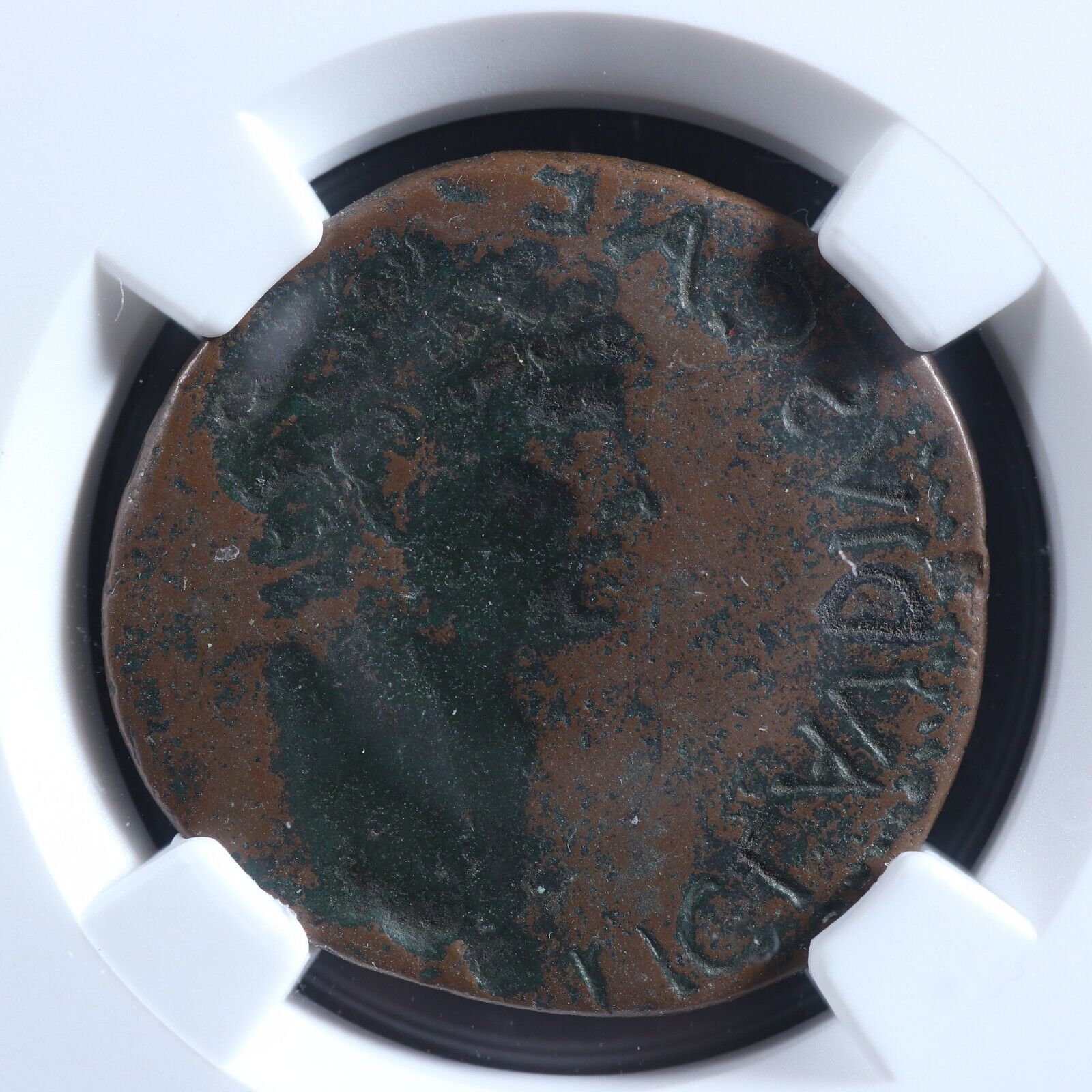
Brockage Claudius As 41-54 Rome NGC Ch F
Brockage, Claudius, As, 41-54, Rome
Sold "$655.00" on "25-12-2024"
Sold9.74 g
27.9 mm
Graded by NGC Ch F.
Ex. Pegasi Numismatics (Item #11750415); Ex. Hutchins collection(2018-2019).
______________________________
Out of stock
Related products
-
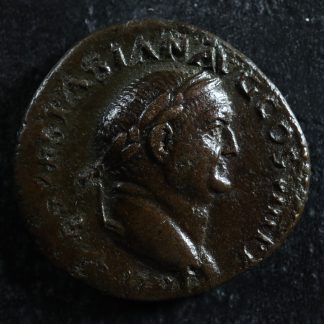
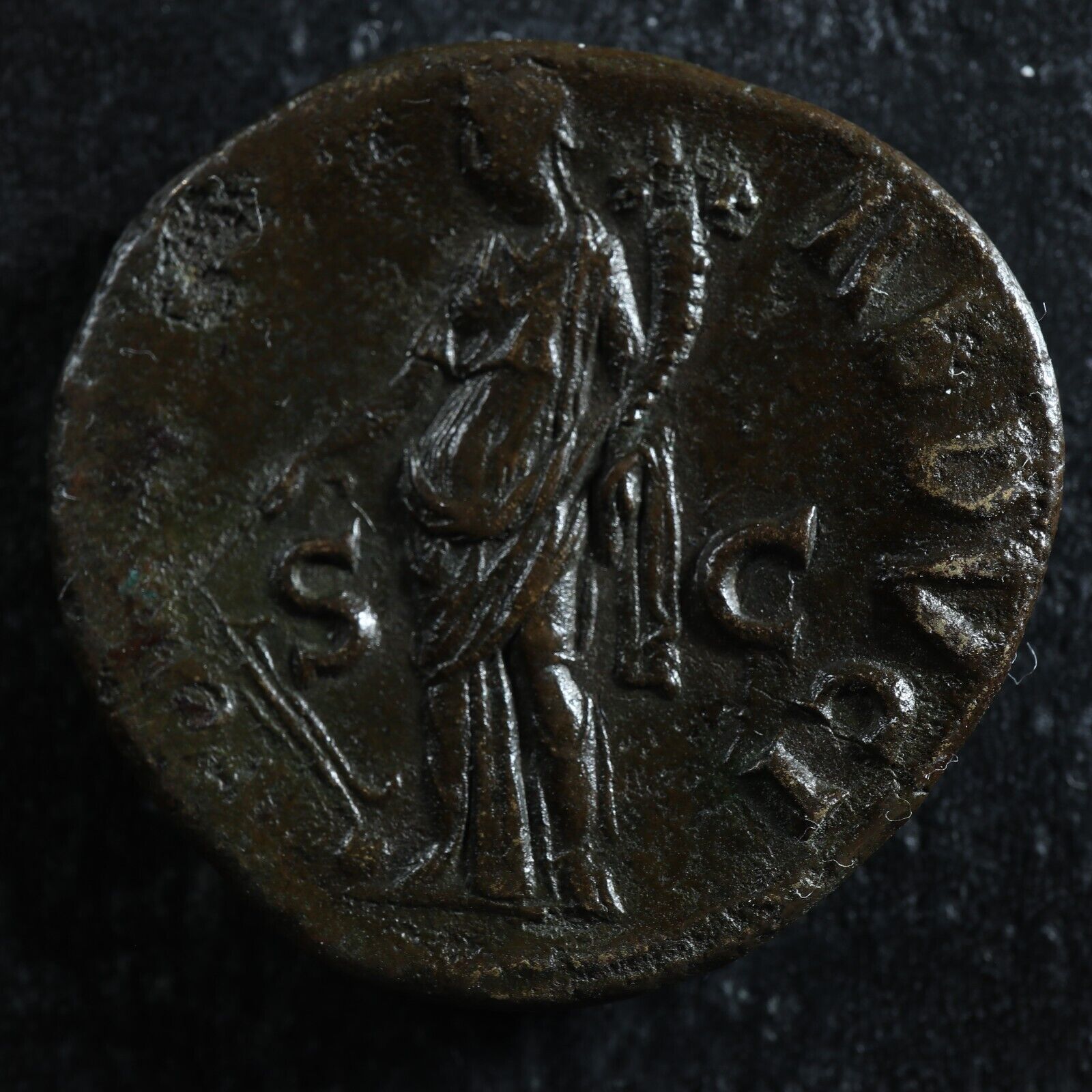
Vespasian Dupondius 77-78 Lugdunum RIC 1215 Fortuna Vespasien
Vespasian, Dupondius, 77-78, Lugdunum$655.00 Add to cartRIC II, Part 1 (second edition) Vespasian 1215.Obv.: IMP CAES VESPASIAN AVG COS VIII P P, Head of Vespasian, laureate, right; globe at point of neck.Rev.: FORTVNAE REDVCI S C, Fortuna, draped, standing left, holding rudder set on globe in right hand and cornucopiae in left.11 g26.6 mm______________________________ -
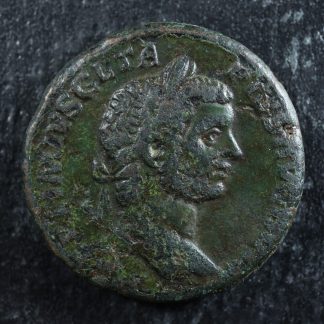
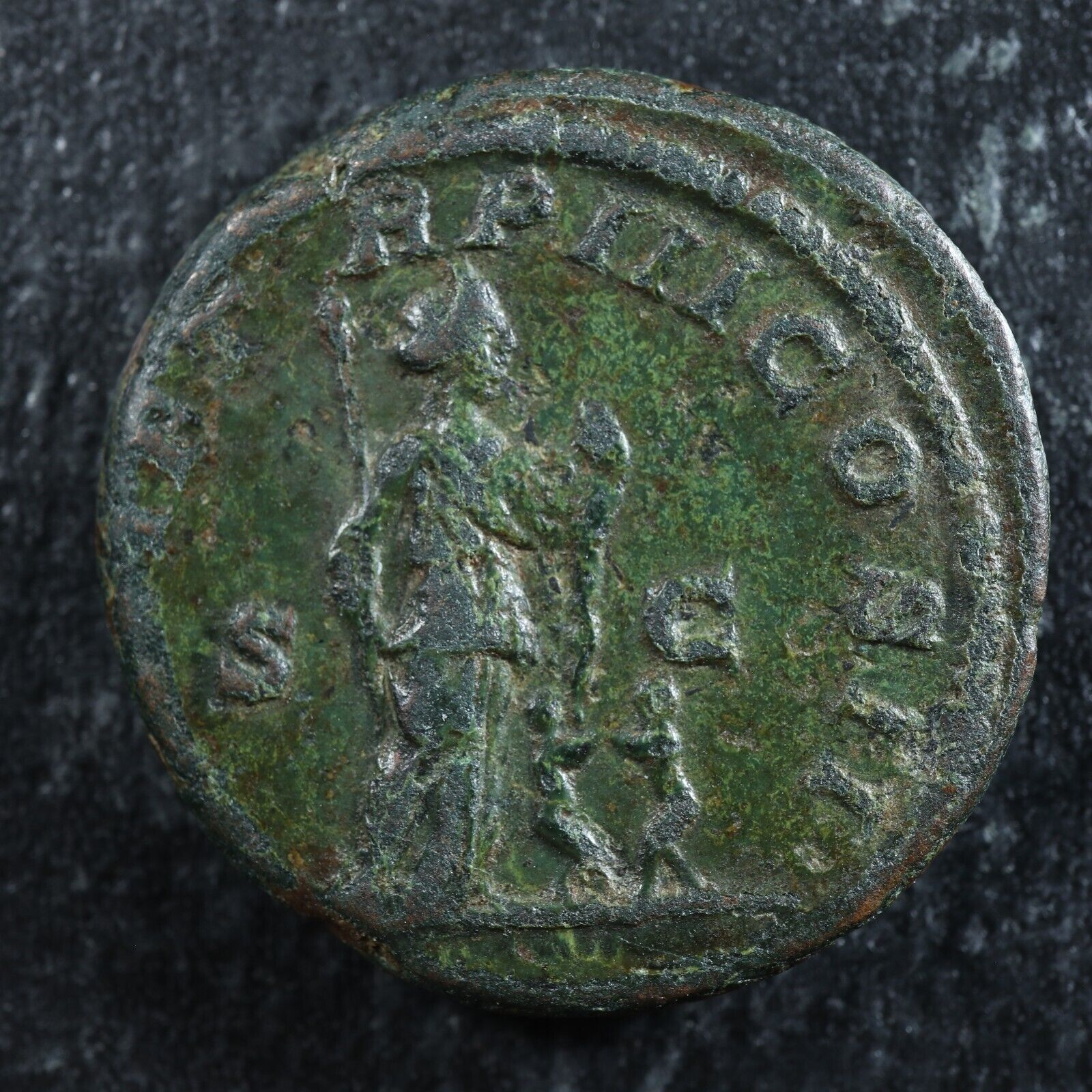
Geta As 211 Rome RIC 177A Female figure(Pietas) standing with two small boys?
Geta, As, 211, Rome$825.00 Add to cartRIC IV Geta 177A.Obv.: P SEPTIMIVS GETA PIVS AVG BRIT, Head of Geta, laureate, right.Rev.: PONTIF TR P III COS II S C, Female figure(Pietas), standing right, holding sceptre in right hand and drawing out drapery from breast with left hand; to right, two small figures(Boys?) lifting hands to one another.10.01 g24.1 mm______________________________ -
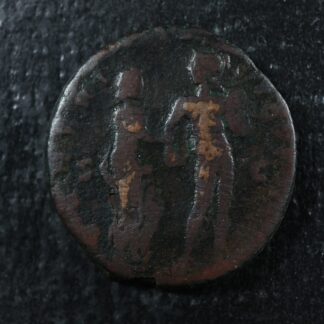
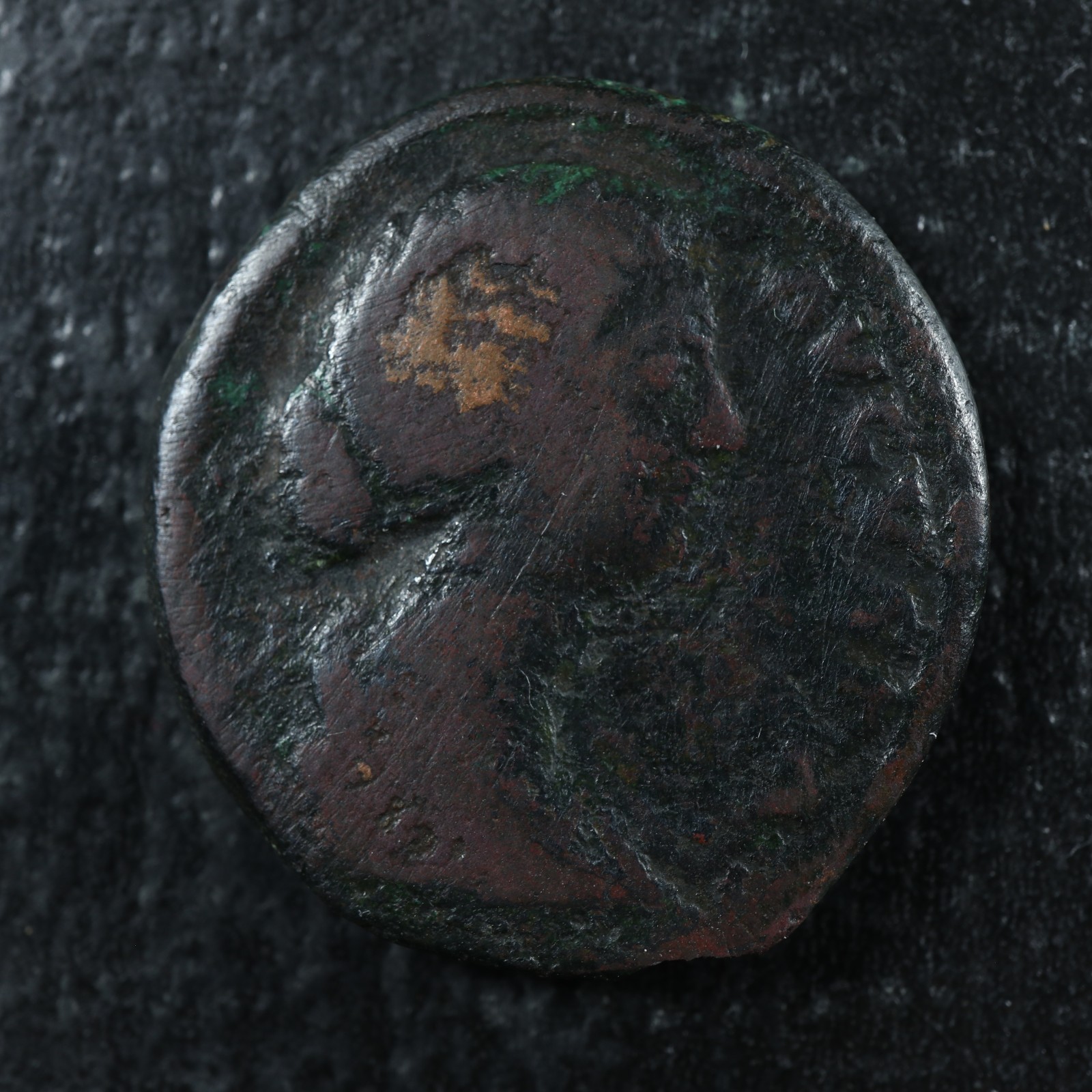
Faustina Junior As 164-169 Rome RIC 1680 Venus Mars Faustine II
$75.00 Add to cartFaustina Junior, As 164-169, RomeRIC III Marcus Aurelius 1680.Obv.: FAVSTINA AVGVSTA, Bust of Faustina the Younger, draped, hair elaborately waved in nearly vertical lines and fastened in a low chignon at back of head, down cheek, curls, right.Rev.: VENERI VICTRICI S C, Venus, half-nude, standing right, holding the right arm of Mars, standing front, head left, and holding a shield on his left arm.9.73 g24.7 mmA few surviving statuary groups of this type featuring portraits of married aristocrats on the bodies of the Mars and Venus survive from the Antonine period and reflect both the popularity of the motif at the time and the desire of the well to do be portrayed in the guise of deities. This type of group is itself a combination of two famous statue types: the 4th century BC Venus of Capua and the 5th century Ares Borghese.______________________________ -

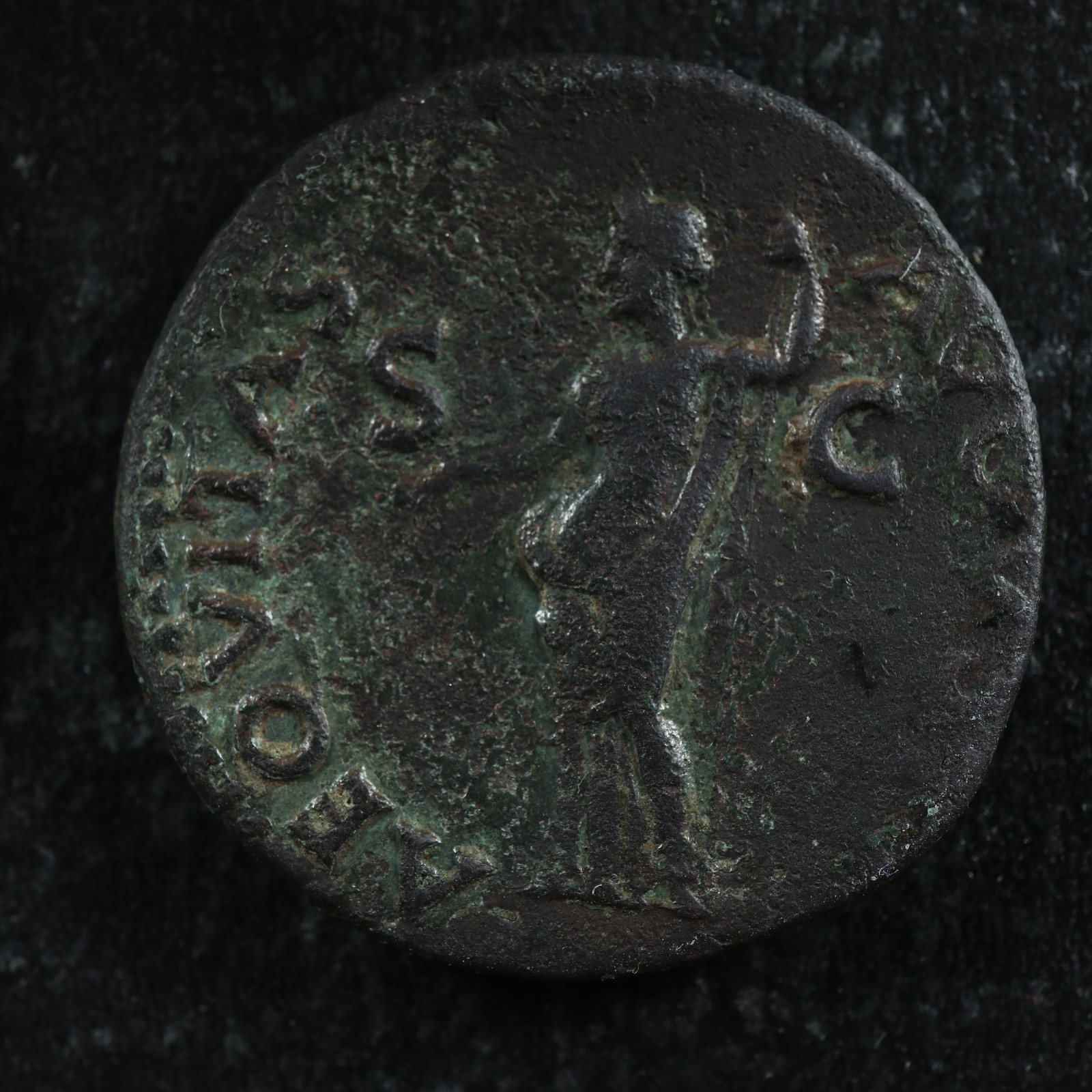
Vespasian As 77-78 Lugdunum RIC 1228 Aequitas Vespasien
Vespasian, As, 77-78, Lugdunum$135.00 Add to cartRIC II, Part 1 (second edition) Vespasian 1228.Obv.: IMP CAES VESPASIAN AVG COS VIII P P, Head of Vespasian, laureate, right; globe at point of neck.Rev.: AEQVITAS AVGVSTI S C, Aequitas, draped, standing left, holding scales in right hand and vertical rod(pertica) in left.8.27 g26.4 mm______________________________ -
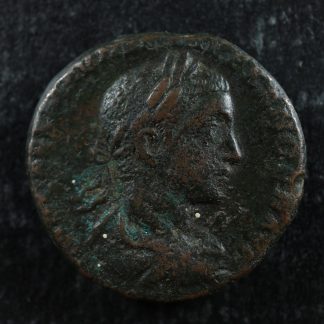

Severus Alexander As 223 Rome RIC 400 Securitas altar Sévère Alexandre
Severus Alexander, As, 223, Rome$175.00 Add to cartRIC IV Severus Alexander 400.Obv.: IMP CAES M AVR SEV ALEXANDER AVG, Bust of Severus Alexander, laureate, draped, right.Rev.: P M TR P II COS P P S C, Securitas, draped, seated left, holding sceptre in right hand and resting head on left hand; altar, on left.11.14 g22.7 mmVery rare.______________________________ -
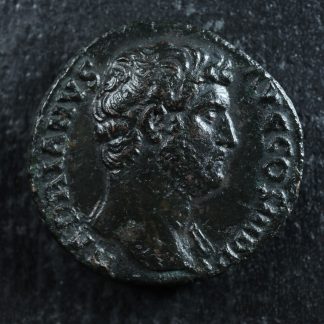
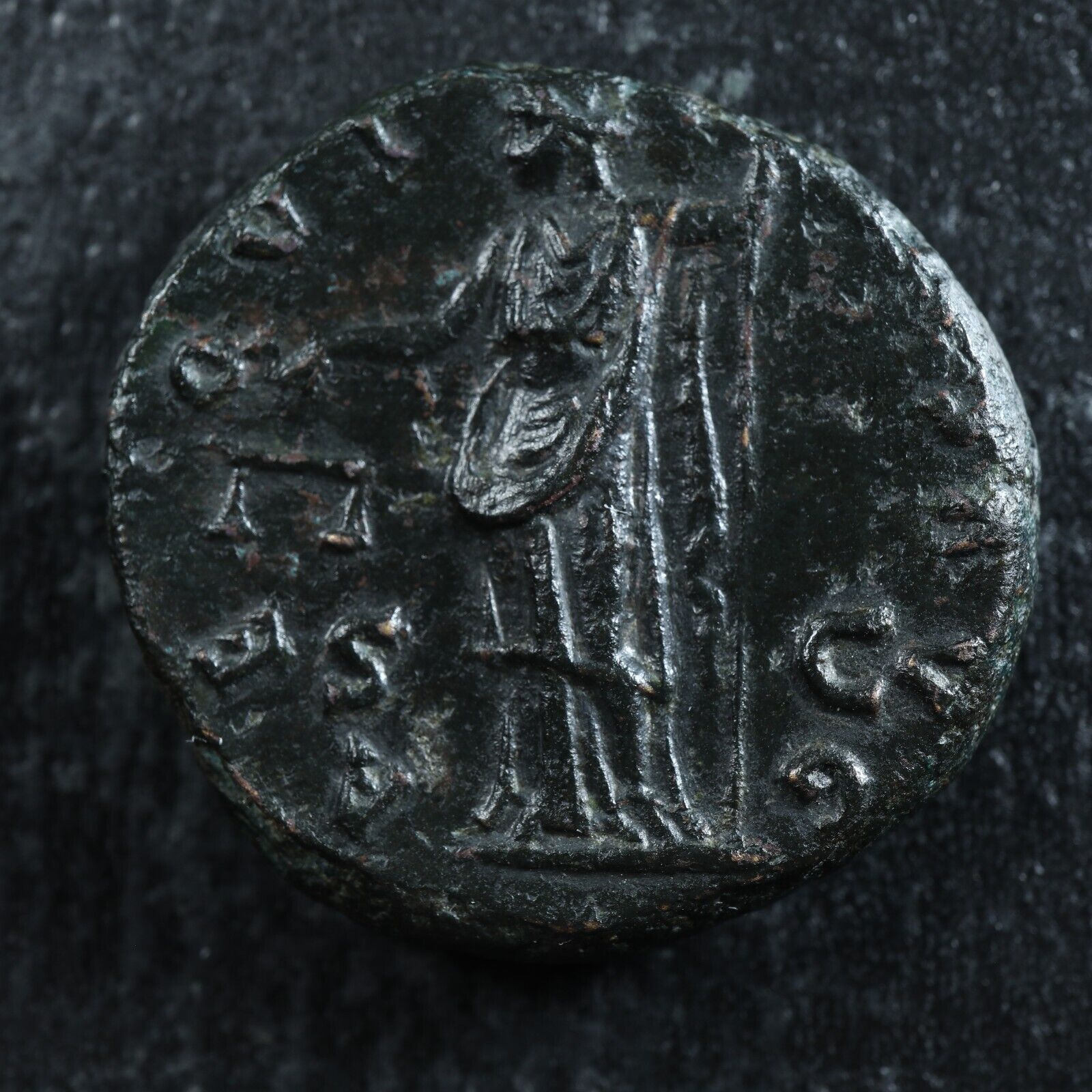
Hadrian As 137-138 Rome RIC 2374 Aequitas Hadrien
Hadrian, As, 137 to July 138(His death), Rome$655.00 Add to cartRIC II, Part 3 (second edition) Hadrian 2374.Obv.: HADRIANVS AVG COS III P P, Bare head of Hadrian, right.Rev.: AEQVITAS AVG S C, Aequitas standing left, holding scales and sceptre.10.95 g23.8 mm______________________________ -


Hadrian Dupondius 130-133 Rome RIC 1855 Restitutor Gallia Hadrien
Hadrian, Dupondius, 130-133, Rome$375.00 Add to cartRIC II, Part 3 (second edition) Hadrian 1855.Obv.: HADRIANVS AVG COS III P P, Bust of Hadrian, draped, right.Rev.: RESTITVTORI GALLIAE S C, Hadrian standing right, holding scroll and raising kneeling Gallia.14.26 g25.4 mmCleaning marks.______________________________